
Krëfel’s 19% Gas-Savings Playbook with nanoGrid
The challenge: controlling energy costs in a high-energy showroom
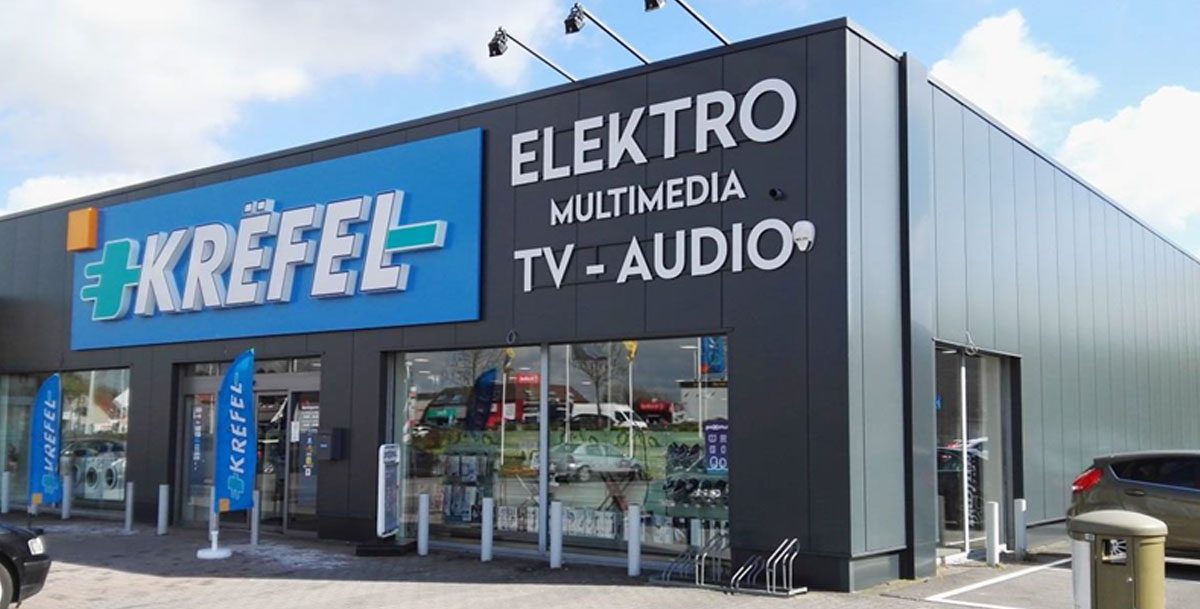
By 2017, Krëfel’s 75 Belgian electronic stores were feeling the rise of gas prices. Heating large, wide-aisle spaces and keeping demo appliances running was eating margins. Yet any move that compromised shopper comfort was a no-go.
At the same time, the chain’s sustainability roadmap demanded visible, data-backed progress. Store managers could see monthly utility bills, but had no real-time view of where, and when energy was being wasted.
Why Krëfel went for nanoGrid
Krëfel’s headquarters already featured 2000 rooftop solar panels, so the team understood the value of accurate data. What they lacked was granular insight at store level and the ability to act on it instantly.
At nanoGrid, we combined minute-level submetering with remote control of HVAC and lighting, making energy use follow trading hours instead of guesses. Facility and finance teams could share a common dashboard rather than trading manual spreadsheets.
The first pilot project: Measuring first, Then controlling
Their flagship store in Aalst became the pilot case.
nanoGrid installed submeters on fifteen key electrical circuits, the main gas and watermeters, five ambient temperature points, and seven additional parameters such as façade lighting and demo zones.
With that baseline in place, the platform switched HVAC start-up to “just-in-time,” turned on aisle lights only when staff arrived and timed heating to reach target temperature exactly at opening.
{{numbers}}
Results: 19% savings!
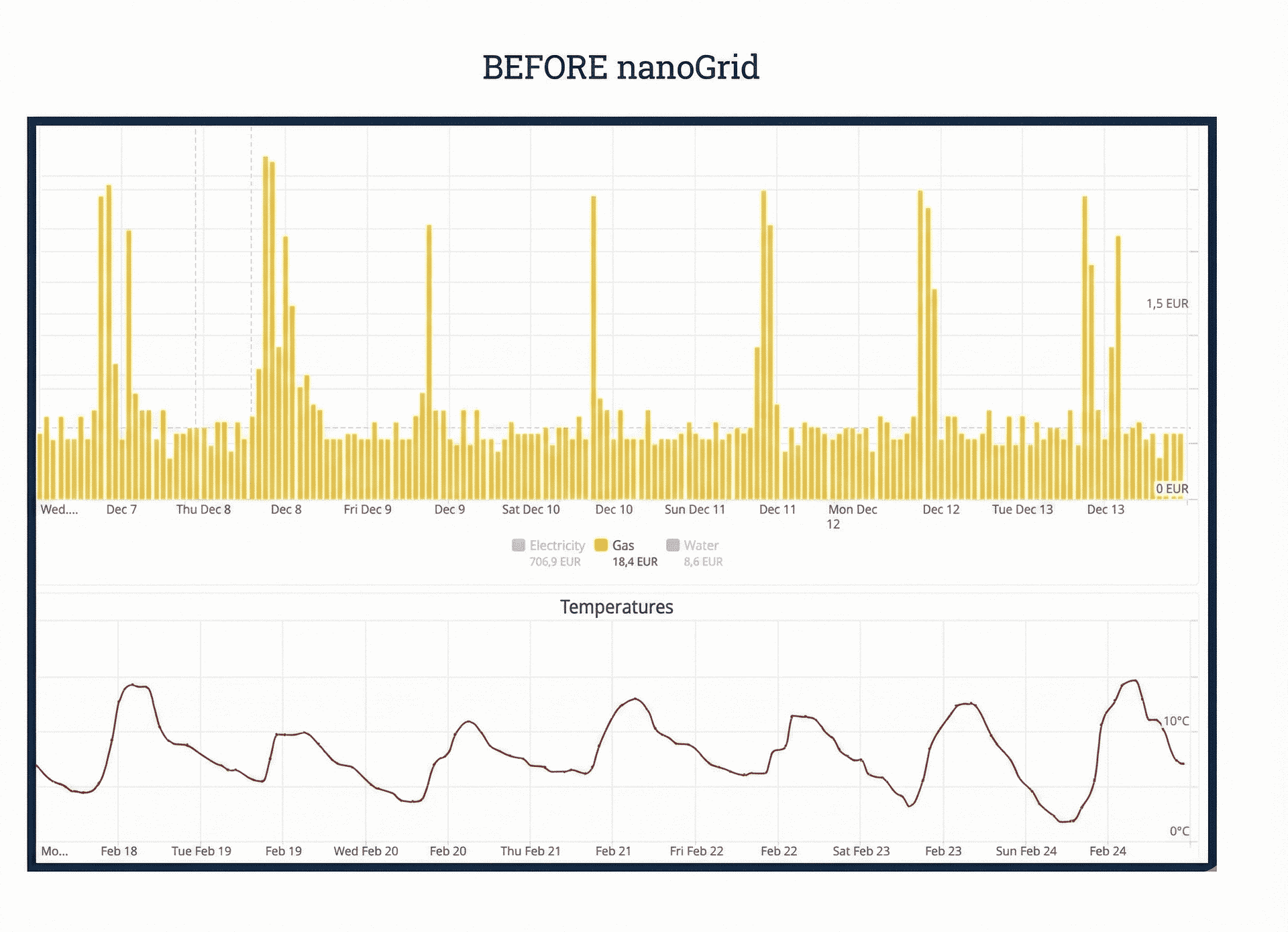
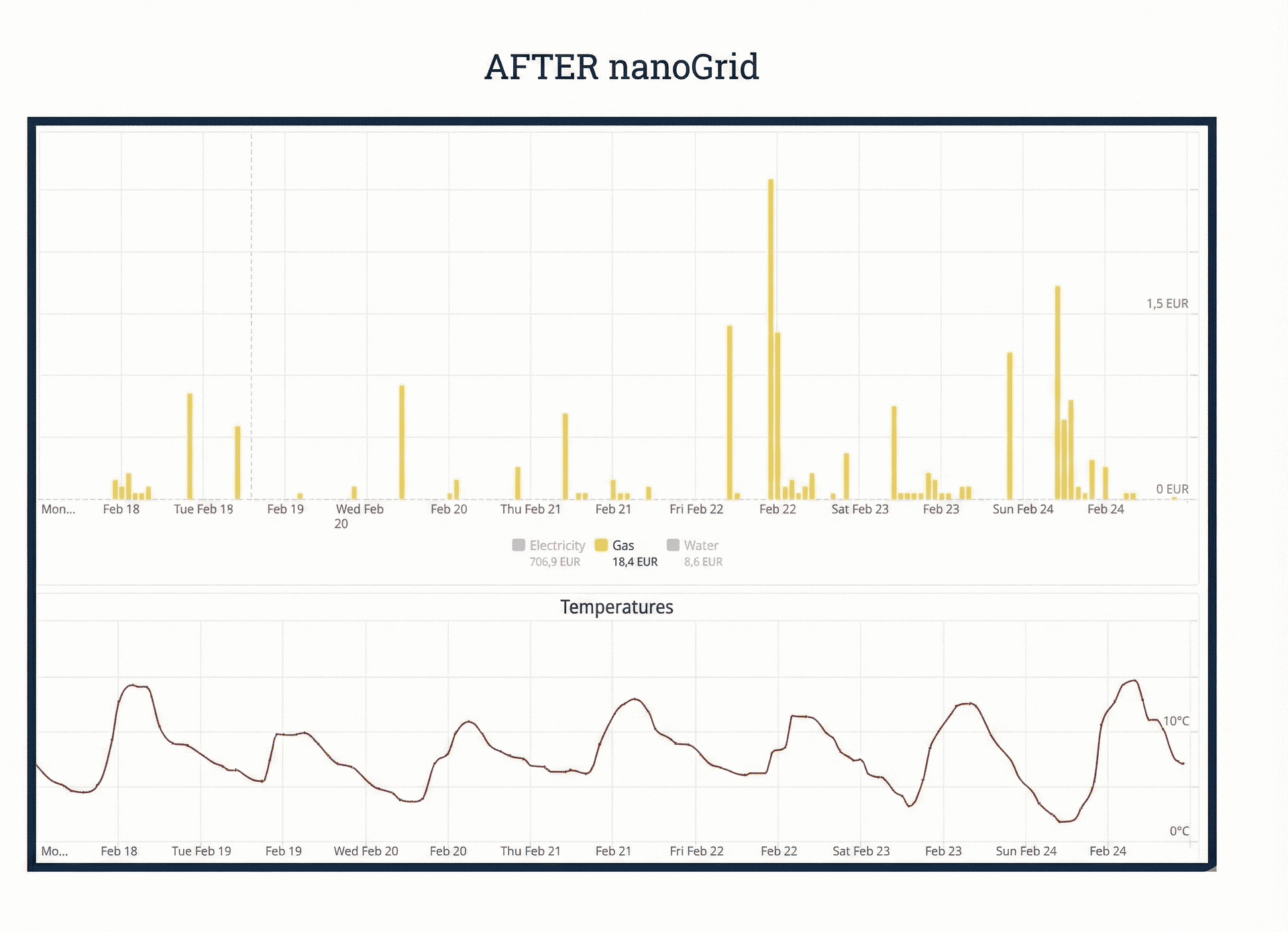
In just one heating season the Aalst store cut its gas consumption for space heating by 19percent, while after-hours “silent” demand fell to roughly 2 kWh, about half the previous load. While shopper comfort stayed steady, and the nanoGrid dashboard made the savings visible day by day, a picture later confirmed on the first three utility bills.
Our impact with Krëfel
19%
Gas savings on space heating
≈2 kWh
Remaining “silent” load after store closing